

About 4 min read
Photo: Adelaide and the River Torrens. Photograph: M J / Wikimedia Commons, CC BY-SA 2.0. Display crops may vary.
A language becomes endangered when the everyday chain of learning and speaking it is interrupted. In Australia, that interruption has a history: colonisation, dispossession and policies that separated children from the people who could teach them. But this is also a story of communities rebuilding that chain.
A continent of languages, not one language
Before British colonisation, more than 250 Aboriginal and Torres Strait Islander languages were spoken across Australia, according to the National Archives. The scale matters. What is often described as a single national crisis affects many distinct languages, communities and histories. [1]
Endangerment does not mean that a language is less expressive or less useful to its community. It describes a vulnerable situation: fewer opportunities to use it, fewer people learning it, or a break between generations. Counting speakers helps, but asking who can speak with whom—and where—is just as important.
When speaking your language was punished
Colonisation and government policies suppressed Indigenous languages. The National Inquiry into the Separation of Aboriginal and Torres Strait Islander Children from Their Families documented how removal disrupted language, culture and identity. Its Bringing them Home report records that children were discouraged, and in many cases physically punished, for speaking their own languages. [1] [2]
Consider what that means for an ordinary conversation. A child learns words through meals, jokes, stories and repeated time with family. Remove the child, prohibit the language, or make its speakers afraid to teach it, and those everyday routes are damaged. This is not simply a story of people deciding to abandon old words. The conditions for passing them on were deliberately undermined.
The effects can outlast the policies themselves. Someone prevented from learning a language as a child may later want to teach it to their own children but need opportunities to learn first. Rebuilding transmission can therefore involve several generations learning together. The inquiry connects language loss closely with the wider consequences of separation. [2]
What the latest numbers can—and cannot—tell us
AIATSIS’s Fourth National Indigenous Languages Survey reports 177 Aboriginal and Torres Strait Islander languages currently spoken or used. It also reports 113 languages being revived, revitalised or reawakened, and 24 languages with no reported speakers or users under 20. These findings show both continuing vulnerability and substantial community activity. [3]
The words “spoken or used” deserve attention. A language used in a revival programme and one spoken every day by children do not necessarily face the same circumstances. Nor should the headline increase from the previous survey be read as a simple recovery score: NILS4 had much stronger community-led representation and establishes a new Indigenous-led baseline. Survey coverage and methods matter when comparing totals. [3] [5]
A sleeping language can be spoken again
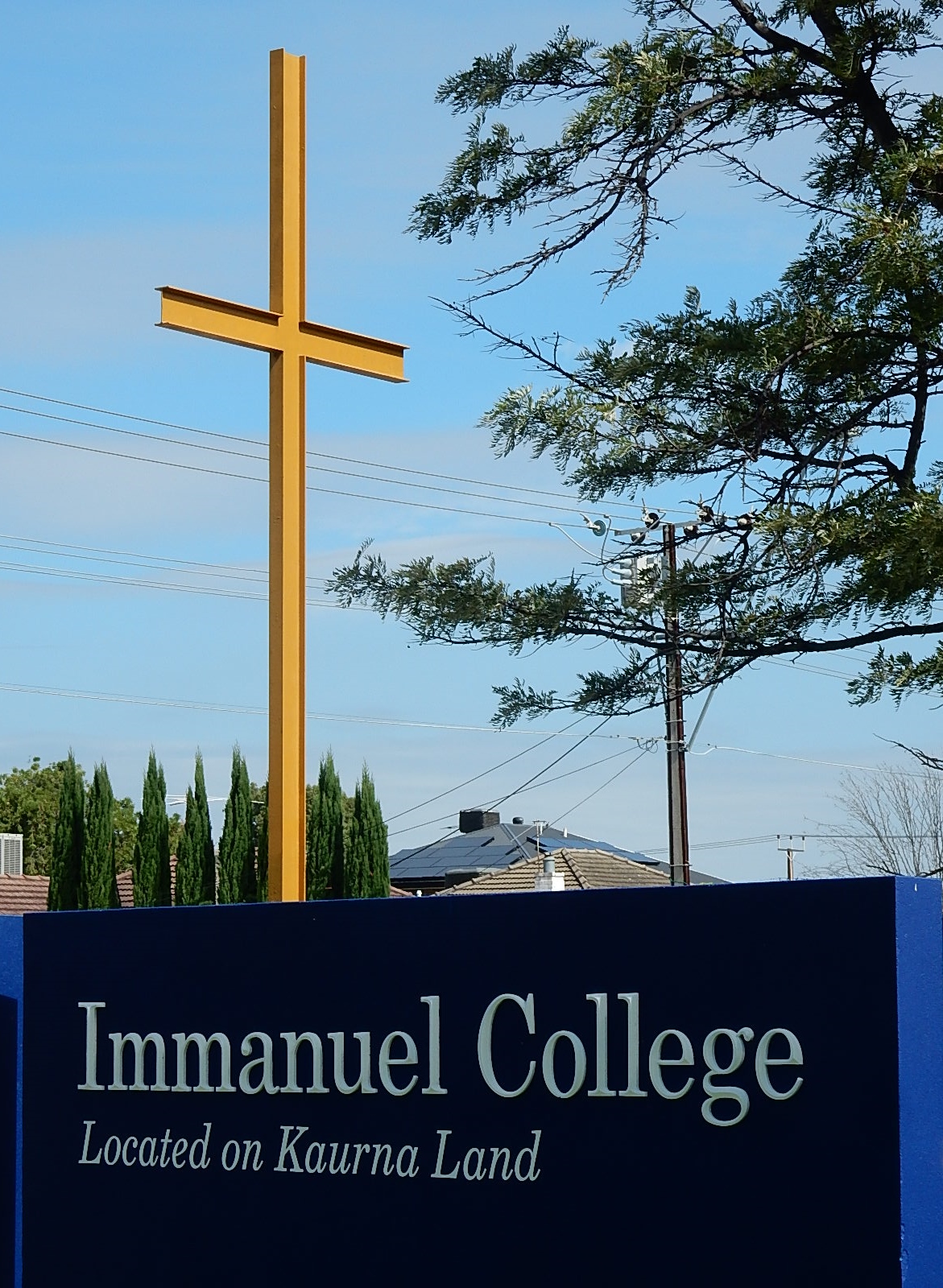
Kaurna, the language of the Adelaide Plains, offers one example of reclamation. A collaboration between Kaurna community members and the University of Adelaide was formalised through Kaurna Warra Pintyanthi in 2002. Work described by the project includes language classes, songs, games and resources for new uses of Kaurna. [4]
This is more than putting a historical word list online. The project describes finding places for a language in contemporary life, with community guidance shaping the work. Historical sources can help people relearn a language, while new activities create reasons to use it. “Endangered” should never be mistaken for “already gone”.
The question behind the question
Why are so many languages endangered in Australia? Because many communities experienced overlapping pressures that broke the link between language, family and daily life. A language cannot be separated from the people and circumstances that sustain it.
The more useful next question is what helps people speak it tomorrow. The examples here point towards time together, opportunities to learn, resources and community authority over language work. The future is not written only in a speaker count. It is also made in the next conversation.
Sources and further reading
Research checked: 25 October 2026. Survey figures describe different measures and should not be treated as directly comparable national trend data. Some linked historical collections contain distressing accounts and names, images or voices of people who have died.
[1] National Archives of Australia. Dispossession and revival of Indigenous languages. Historical diversity and suppression. Its older survey totals are not used as the current baseline here.
[2] Australian Human Rights Commission. Bringing them Home, Chapter 14 (1997). Language loss, prohibition and the consequences of forced removal.
[3] AIATSIS. Fourth National Indigenous Languages Survey. Current published findings, survey participation and the new baseline. The full report is expected in 2027.
[4] Kaurna language reclamation researchers. Innovative strategies for reintroducing a sleeping language. Community–university work supporting Kaurna, including classes, songs and games.
[5] Closing the Gap. Target 16: Aboriginal and Torres Strait Islander cultures and languages. Notes on the limits of comparing language surveys.





Join the conversation